Where the money goes
The confusing part of a photography quote is that the shooting is the cheapest thing in it. Most of the cost sits in the hours around the shutter.
| Line item | Typical range | What drives it |
|---|---|---|
| Per finished image | $25–$150 | Category, complexity, retouch depth |
| Half / full day rate | $400–$2,500 | Studio vs location, assistants |
| Styling & props | $150–$800 | Food and apparel cost most |
| Retouching | $15–$100 / image | Often exceeds the shoot fee |
| Usage / licensing | varies widely | Web-only is cheap, paid ads are not |
The two line items that surprise people: retouching, which frequently costs more than the photographer's time, and licensing, which can quietly restrict where you are allowed to run the photo you just paid for.
When you should absolutely hire a photographer
This page is published by a company that sells an alternative, so treat this section as the honest part: there are jobs where paying a professional is simply the right call.
- The photo must show the exact item the customer receives. Jewellery, watches, apparel fit, anything where a returned order is the cost of getting it wrong.
- Legally sensitive categories. Supplements, cosmetics claims, food labelling — where the image is part of a regulated representation.
- Real people. Your staff, your founder, your actual customers.
- Texture that has to be forensically true. Fabric weave, gemstone clarity, finish and grain on furniture.
- A hero campaign with real budget behind it. If a single image is carrying six figures of media spend, shoot it.
When it's a waste of money
The other half is equally true. Plenty of what small businesses pay a photographer for is work that never needed a studio.
- Concept and mood imagery — the vibe shot for the top of a homepage.
- Backgrounds and surfaces for a product you already photographed.
- Seasonal variants of a set you already own.
- Social content that will be seen at thumbnail size for two days.
- Posters, flyers, and promos where the idea carries the piece.
- Anything you'll want to change next month. Reshoots are the real cost.
That's the split worth internalising: pay for evidence, generate the atmosphere.
The alternative
What a $19.99 kit does instead
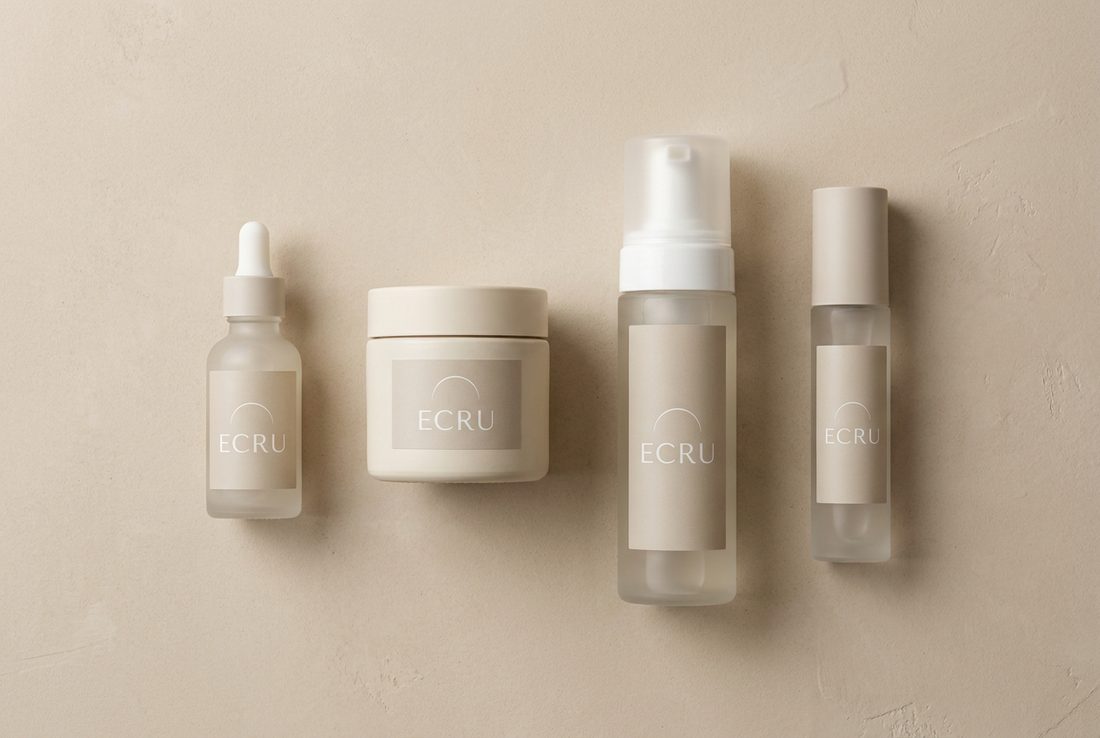
Visual Engine turns ChatGPT or Gemini into an art director, photographer, and brand stylist. You answer five questions about your business, it locks a reusable brand profile, and you generate product photography, posters, and a full brand kit from a chat window. No designer, no studio day, no reshoot fee.
The honest limit, stated up front
If the shot has to be exactly the item in your warehouse, the kit routes you to a real photograph and coaches the shot on your phone instead of generating a fake. A generated picture of your product is a picture of something that does not exist. That rule is built into the product, not an afterthought.
Launch price, regular $37. One payment. Or see the full breakdown and examples.
Common questions
Why is product photography so expensive?
You're not paying for the shutter click. You're paying for studio or location time, lighting setup, a stylist, props and surfaces, retouching hours, and usage rights. Retouching alone often costs more than the shoot. A day rate prices a team and a room, not an hour of someone's time.
How many photos do I actually need?
For a typical e-commerce listing: one clean hero on white, two or three angles, one detail or scale shot, and one lifestyle or in-use image. That's five to seven per SKU. Multiply by your catalogue before you accept a per-image quote, because that number is where budgets quietly explode.
Can AI replace a product photographer?
Not for everything, and anyone claiming otherwise is selling you something. It genuinely replaces concept work, lifestyle scenes, backgrounds, seasonal variants, and social content. It does not replace showing a customer the exact item they'll receive.
What about my phone?
A modern phone plus window light and a clean surface beats a bad studio shot. The hard parts are consistency across a catalogue and knowing what to fix. Visual Engine includes phone-camera coaching for exactly this, because sometimes the right answer is a real photo taken better.
Is a cheap photographer better than AI?
Usually, for evidence shots. A cheap photographer still produces a true photograph of your real product. Where cheap photography struggles is art direction and consistency, which is the part a kit like this is actually good at.